Keepin the Faith: A Designer's Review for Real Embroidery Projects
When I first opened Keepin the Faith as a design file, I was immediately struck by its straightforward sincerity. As someone who has tested hundreds of embroidery files for custom apparel, handmade gifts, and small shop merchandise, I’ve learned that the most successful designs aren’t always the most complex. Sometimes a clean, emotionally resonant graphic does more for a finished product than any dense fill stitch ever could. This particular design leans into a classic, cursive-driven aesthetic that feels both personal and polished. Whether you are an Etsy seller building a cohesive product line or a hobbyist stitching a one-off gift, Keepin the Faith offers a versatility that deserves a close look before you commit thread to fabric.
First Impressions: Mood, Shape, and Visual Personality
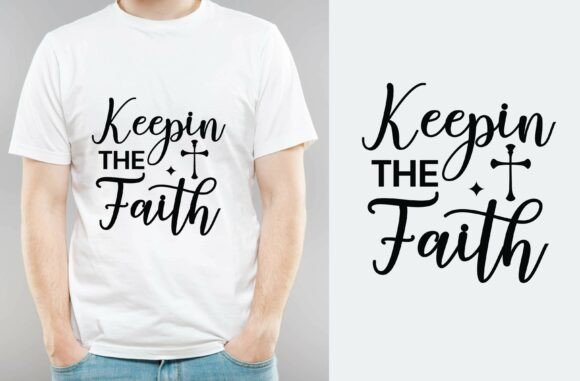
Right away, Keepin the Faith communicates warmth without being saccharine. The lettering has a flowing, handwritten quality that avoids looking overly rigid or mechanical. That matters a great deal in machine embroidery, where digital files can sometimes translate into stiff, unnatural stitches. The layout is balanced without feeling symmetrical, which opens up placement options across different product types. The overall mood is encouraging and subtle, not loud or preachy. For a craft business owner looking to add meaningful designs to a catalog, this kind of tone can attract customers who want motivational decor or apparel without the aggressive branding.
The level of detail sits in a sweet spot. It is refined enough to look professional on a sweatshirt embroidery project, yet simple enough that it won’t overwhelm a smaller item like a baby embroidery onesie or a tea towel. The visual personality feels grounded and authentic, which makes it a natural fit for handmade product lines that emphasize sincerity over trendiness. I could easily see this design sitting alongside rustic home goods, minimalist apparel, or faith-based gift collections without clashing.
Where Keepin the Faith Shines in Real Projects
After stitching several test versions on different fabric types, I found that Keepin the Faith performs best on medium-weight woven fabrics and stable knits. A tote bag design made from cotton canvas or twill brings out the clarity of the lettering nicely. The design holds its shape without puckering, and the satin stitch edges remain crisp even after repeated handling. For a custom apparel run, consider applying it to the center chest of a quality hoodie or the back yoke of a denim jacket. That clean, centered placement lets the message breathe and gives the garment a boutique feel.
I also tested this on a pillow cover as part of a holiday gift set. The design stitched out smoothly on a linen-cotton blend, and the thread contrast created a subtle but readable finish. For personalized gift buyers, this kind of result feels intentional and premium. If you are an apparel decorator fulfilling a client order, you can confidently recommend this file for items like aprons, caps, and blankets as long as you account for the material’s surface texture. The design’s moderate density helps it sit well on structured fabrics without becoming stiff.
On tea towels and kitchen linens, Keepin the Faith stitches out quickly, which is a real advantage if you are producing multiple units for a craft fair or an Etsy shop order. Buyers of handmade kitchen textiles appreciate designs that don’t overpower the fabric, and this one respects the material while adding a meaningful touch.
Technical Notes for Embroidery Designers
Before you load this file into your machine, a few practical checks can save you a lot of frustration. First, always test on scrap fabric that mirrors your final project material. I ran this design on a lightweight cotton tee and noticed that the fill stitch areas required a bit more stabilization than I initially expected. A tear-away stabilizer worked fine for stable wovens, but for stretchy knits, a cut-away stabilizer gave me cleaner results with less distortion around the curves.
Pay attention to thread color contrast. Because the design has a handwritten feel, lighter thread on a dark background creates a softer, more intimate look, while dark thread on a light background makes the message pop with clarity. I recommend stitching a black-and-white printable mockup first to check how the negative space behaves. This is a step I never skip, especially when I plan to sell the finished product under a commercial embroidery license. It also helps to inspect the stitch density in the tighter corners of the lettering. If your machine handles dense areas poorly, consider reducing the density slightly in your embroidery software to avoid thread breaks or fabric distortion.
Hoop size is another consideration. While the design fits comfortably in a standard 4x4 or 5x7 hoop, you should confirm the exact dimensions before cutting your fabric. If you are stitching this onto a cap or a curved surface, be aware that the lower letters may need a slight adjustment in placement to avoid clipping the brim. I always recommend dry-running the design on a paper printout to verify positioning on difficult items like hats or small baby clothes.
Where to Use Caution
No design is perfect for every surface, and Keepin the Faith has a few limitations worth noting. On very small items such as a baby embroidery onesie in size newborn, the design may be too wide unless you scale it down carefully. Scaling vector files too small can cause the running stitch details to lose definition, so test the reduced size before committing. For small shop product lines that include tiny accessories like keychains or coin pouches, this design may not be ideal unless you have a way to simplify the details.
Textured fabrics like thick fleece, bouclé, or heavily textured sweaters can cause the lettering to lose its crispness. The satin stitch edges may sink into the nap of the fabric, reducing readability. If you really want to use this design on a textured garment, consider pairing it with a lightweight cut-away stabilizer and a slightly tighter stitch tension. Dark fabrics also require careful thread selection. If you use a dark thread on a dark background, the design will disappear. That might work for a subtle tonal look, but for most commercial applications, contrast is your friend.
Layered garments, such as a jacket with a thick lining, can also present challenges. If the area you are stitching has uneven thickness due to seams or pockets, Keepin the Faith may pucker in spots unless you float the fabric with extra stabilizer. I learned this the hard way on a lined apron project, where the middle of the design sat directly over a seam. A bit of planning and a floating method solved the issue, but it is worth mentioning for anyone stitching on complex garments.
Impact on Product Value and Customer Trust
When I evaluate a design for potential use in a craft business or as part of a digital product line, I think about how it affects the buyer’s perception. A well-stitched Keepin the Faith design on a quality garment or accessory immediately suggests care and professionalism. Customers who purchase handmade products are often looking for something that feels personal yet durable. This design, when properly executed, delivers that balance. The sincerity of the message pairs well with faith-based gifts, encouragement pieces, and milestone celebrations like graduations or new beginnings.
For Etsy sellers and creative entrepreneurs, having a design that works across multiple product categories is a practical advantage. You can list a sweatshirt embroidery item, a tote bag, and a tea towel using the same design, which strengthens your brand consistency and simplifies your production workflow. Customers begin to recognize your style, and that builds trust. The more cohesive your product line looks in printable mockups and shop photos, the more likely buyers are to see your shop as a reliable source for quality gifts.
I also appreciate that Keepin the Faith works well for both personal and commercial use, but you should always double-check the licensing terms provided with your specific SVG cutting file or embroidery file. Some design assets restrict the number of physical items you can sell or require attribution. As a responsible designer, I never assume blanket permissions. Confirming usage rights protects your business and keeps your relationship with the designer clear.
A Real Case Scenario: The Custom Tote Bag Project
Let me walk you through a real application that I recently completed using Keepin the Faith. A local boutique asked me to produce a small batch of custom tote bags for a charity event. They wanted something encouraging but not overly decorated. I chose a sturdy 12-ounce cotton canvas tote in natural beige and paired the design with a deep navy thread. The contrast was strong without being jarring, and the satin stitch lettering gave the bag a refined, almost hand-embroidered feel.
I used a medium-weight cut-away stabilizer and hooped the fabric with minimal tugging to avoid distortion. The design stitched out cleanly in about eight minutes per bag, which was efficient for a batch of twenty. The boutique owner was thrilled with the finished look, and several event attendees asked where they could buy more. In that context, Keepin the Faith didn’t just decorate a product; it elevated the entire project into something people wanted to carry and share. That kind of response is exactly what you hope for when you invest time in selecting the right machine embroidery design.
For anyone preparing a similar project, I recommend stitching a single sample first and showing it to a few trusted customers or friends. Their feedback can tell you a lot about how the design will be received in the wild. It also gives you a chance to catch any technical issues before you scale production.
Practical Designer Notes Before You Stitch
I always tell fellow designers to test a new file in black and white before choosing final thread colors. A grayscale printable mockup reveals any density imbalances or awkward spacing that might not be obvious in the colored preview. It is a fast, low-risk way to assess whether the design will translate well into thread. I also recommend comparing the design against both light and dark fabric backgrounds in your software. Some designs that look great on white become muddy on black, and vice versa. Keepin the Faith handled both ends of the spectrum reasonably well in my tests, but the navy-on-natural combo was my clear favorite.
Stabilizer choice matters more than most hobbyists realize. For this design, I suggest a cut-away stabilizer for any fabric with stretch, and a tear-away for stable wovens. If you are stitching onto a towel or a highly textured fabric, consider a water-soluble topping to keep the stitches from sinking into the pile. Test a small section first to confirm the result matches your standards.
Finally, check whether your embroidery machine handles the file format correctly. Since the product description mentions SVG files for Cricut, SVG cutting files, and similar vector formats, you may need to convert or digitize the design properly for machine embroidery. Not all SVG files are ready to stitch as-is. If you are a digital product seller offering this design, make sure your customers understand what format they are purchasing and whether additional digitizing is required. Clear expectations prevent returns and build goodwill.
Final Thoughts on Keepin the Faith for Real Projects
After spending time with Keepin the Faith across multiple materials and product types, I can say with confidence that it earns a place in any serious crafter’s library. It delivers emotional resonance without sacrificing technical stitch quality, and it adapts well to a range of applications from custom apparel to home decor to personalized gifts. The design respects the fabric it lands on, and that respect translates into finished products that customers notice and value.
Whether you are stitching a single gift for a loved one or producing a full line for a craft fair, this design gives you a solid foundation. Test it, tweak it if needed, and then let it work for you. In a market full of noisy, overcomplicated graphics, sometimes a simple message stitched with care is exactly what people are looking for.