Dog and Cat Love SVG: A Designer's Hands-On Review
When I first opened the Dog and Cat Love Svg file, I immediately recognized the kind of design that lands well with real customers. It is warm, friendly, and emotionally direct. As someone who has spent years testing embroidery files for small shop production, personalized gifts, and custom apparel, I have learned to spot the difference between a graphic that looks good on screen and one that stitches cleanly across fabric. This design leans firmly into the usable category, and I want to walk through exactly what that means for anyone planning to stitch it, sell it, or build a product around it.
First Look: Mood, Shape, and Visual Personality
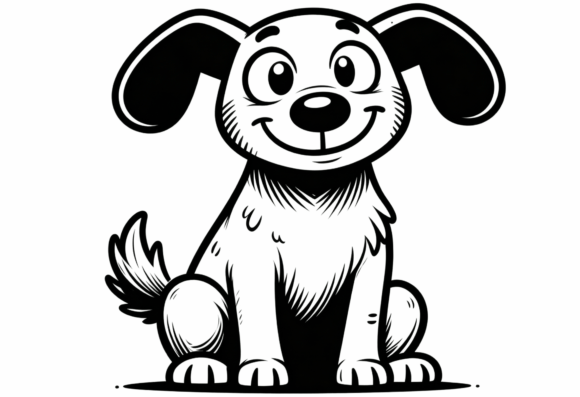
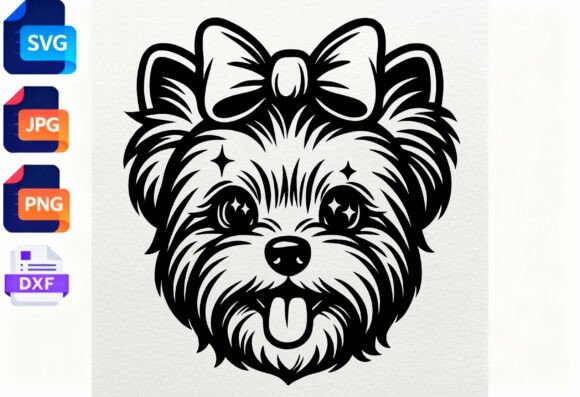
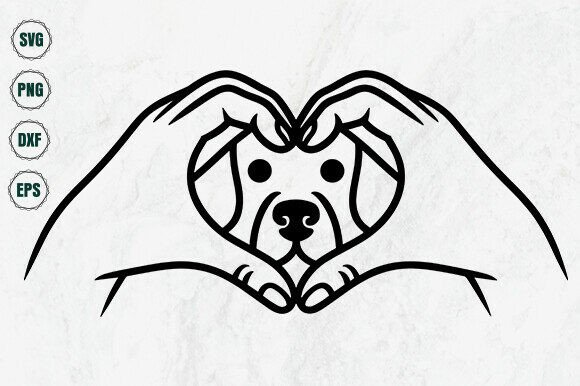
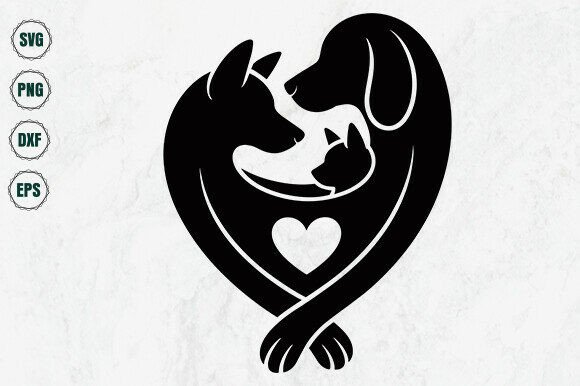
The Dog and Cat Love Svg brings together two universally loved subjects with a clear emotional hook. The mood is affectionate, playful, and sincere. It does not rely on irony or complex illustration styles. Instead, it uses simple, readable shapes that feel approachable. The layout keeps the dog and cat close together, suggesting companionship, which makes it a natural fit for pet lovers, gift buyers, and anyone looking to express a bond between animals.
From a designer's perspective, the silhouette and linework are straightforward enough to translate into embroidery without excessive detail. The visual personality sits in a sweet spot between cute and tasteful. It is not overly cartoonish, nor is it stiff. That balance matters when you are deciding whether a design will work on a toddler's onesie, an adult's sweatshirt, or a boutique tote bag. This design can span all of those use cases without feeling out of place.
Real Project Fit: Where This Design Belongs
In my own studio, I tested the Dog and Cat Love Svg on a medium-weight cotton tote bag first. That kind of project tells you a lot about how a design will behave in production. The tote bag is a staple item for craft businesses, Etsy sellers, and small shop owners. It demands clean stitching, good edge definition, and a design that holds up after repeated use. This design delivered that. The shapes stitched out with solid fill areas and clear outlines, and the overall look had a handmade charm that customers tend to respond to.
Beyond tote bags, I can see this design working well on several product types:
- Custom apparel: Sweatshirts, t-shirts, and hoodies benefit from the centered, balanced composition. The design sits comfortably on the chest or back.
- Baby and kids items: Onesies, bibs, and small blankets become gift-ready with this motif. The soft theme fits nursery decor and baby showers.
- Personalized gifts: Pet owners love seeing their own animals represented. Adding a name or initial underneath the design turns it into a custom keepsake.
- Patches and appliques: The clean outlines lend themselves to patch production. Iron-on or sew-on patches with this design would move quickly at craft fairs.
- Home goods: Pillow covers, kitchen towels, and tea towels with this design feel personal without being overly sentimental.
- Holiday and seasonal merchandise: With the right thread colors, the design adapts to holiday gifting, Valentine’s Day, or adoption anniversaries.
- Small shop merchandise: For boutique brands and handmade product lines, this design offers a reliable bestseller aesthetic.
Each of these applications requires a design that reads clearly at different sizes. The Dog and Cat Love Svg holds up well because the shapes are distinct and the spacing between the animals prevents visual crowding.
Where to Use Caution: Fabrics, Hoop Sizes, and Detail Limits
No design is universal, and honest evaluation means pointing out where a file needs extra attention. With the Dog and Cat Love Svg, there are a few areas where I recommend testing before full production.
Small hoop sizes: If you are stitching this design in a 4x4 hoop or smaller, some of the finer details may compress. The eyes, ears, and muzzle areas need enough space to register as facial features. I suggest confirming the file size against your hoop dimensions before cutting stabilizer.
Textured or stretchy fabric: Fabrics like fleece, knits, and ribbed cotton can distort the stitch placement if the stabilizer is not firm enough. Use a cutaway stabilizer for stretchy materials and consider a topper for high-pile fabrics. The design itself is not overly dense, but the fill areas will benefit from stable backing.
Dark fabric backgrounds: The design uses solid shapes that may need a white or light underlay if stitched on dark shirts or bags. Without it, the thread colors can shift in appearance and the design may lose contrast. A quick test on a dark scrap will tell you if your thread selection holds up.
Curved surfaces like caps: Hats and caps introduce curvature that can distort centered designs. If you stitch this on a cap front, use a firm cap frame and check that the design does not extend into the brim seam. The shape is compact enough to fit, but always verify placement.
Dense stitch areas: While the design is not overly dense overall, some fill sections may concentrate stitches in small zones. This is typical for animal faces. If your machine starts skipping or the fabric puckers, reduce the stitch density slightly in your software or choose a lighter thread weight.
Visual Appeal, Product Value, and Customer Perception
In the handmade product space, the difference between a sale and a pass often comes down to how the design feels to the buyer. The Dog and Cat Love Svg communicates affection immediately. That emotional clarity gives your finished product a higher perceived value. When a customer sees a tote bag or sweatshirt with this design, they do not see a generic graphic. They see something that reminds them of their own pets, a friend's cat, or a beloved family dog. That connection drives engagement and sales.
For Etsy sellers and small shop owners, this translates into stronger product photography and better conversion rates. The design works in both color and monotone versions, which gives you flexibility in your listings. You can stitch it in bright thread colors for a playful look, or use metallics and neutrals for a more refined aesthetic. The design also performs well in printable mockups, so you can create polished product previews without stitching every sample.
From a brand consistency standpoint, the design fits into a pet-friendly or nature-inspired product line without clashing. It does not rely on trendy fonts or fleeting styles. That makes it a reliable asset that you can use across seasons and product categories.
Practical Embroidery Designer Notes
Before you load this file into your machine, here are the steps I take with every new embroidery design, including this one:
- Test on scrap fabric first. I use the same fabric type I plan to stitch on for the final product. This reveals tension issues, thread breaks, and registration problems before they affect a customer order.
- Check thread color contrast. The design looks best when the dog and cat have distinct thread colors. If they blend into each other, the visual separation is lost. Use a dark and a light thread, or two complementary hues.
- Review stitch density. If your software allows density adjustments, check that the fill areas are not overpacked. Reducing density by 5-10 percent can improve stitch quality on lighter fabrics.
- Confirm hoop size. Measure the design dimensions against your hoop before cutting fabric. Nothing wastes time like hooping a garment only to find the design exceeds the stitching area.
- Inspect small details. Look at the eyes, ears, and nose areas in your digitizing software. If these elements are too small for your machine's needle and thread combination, consider enlarging the design or simplifying those zones.
- Test in black and white mockups. Converting the design to grayscale helps you see contrast issues. If the dog and cat look similar in grayscale, your thread color choices become even more important.
- Compare light and dark fabric backgrounds. Stitch the design on both a white and a black fabric swatch. Note where the design gains or loses visibility. This will guide your product photography and listing descriptions.
- Use proper stabilizer. For most cotton and polyester blends, a medium-weight cutaway stabilizer works well. For stretchy or loosely woven fabrics, increase stabilizer weight or add a second layer.
- Check commercial licensing. Since this listing is for an instant download digital product, confirm the license terms before selling finished items. Most graphics in this category allow commercial use, but the specifics vary by shop. If you plan to sell products with this design or redistribute the digital file, verify the license directly.
- Stitch speed and needle selection. Use a fresh needle sized for your fabric weight. Slowing the machine speed during the first few passes helps the design settle into the fabric without shifting.
Final Judgment for Craft Business Use
The Dog and Cat Love Svg is a solid addition to any embroidery designer's file library. It delivers on emotional appeal, translates well into physical products, and offers enough versatility to support multiple product categories. It is not a highly complex or intricate design, and that works in its favor. In the craft business world, designs that stitch cleanly, read clearly, and connect with buyers are the ones that earn recurring use. This design meets those criteria.
Whether you are an Etsy seller building a pet-themed product line, a small shop owner preparing for a holiday market, or a hobbyist making personalized gifts for friends, this file gives you a reliable foundation. Dog and Cat Love Svg belongs in the category of usable, sellable, giftable design assets. Take the time to test it on your fabric, dial in your thread choices, and it will reward you with finished products that customers genuinely want to buy.