Belgian Malinois SVG Strong Working Dog
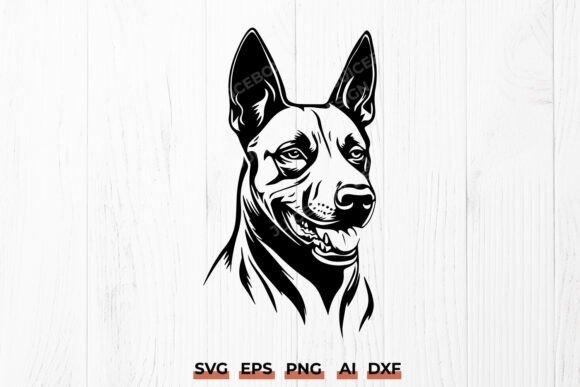
When I first opened the Belgian Malinois SVG Strong Working Dog, I immediately saw the potential for a high-impact embroidery project. This isn’t a cutesy, cartoonish pet portrait—it’s a bold, focused representation of a dog that demands respect. The clean lines and strong silhouette make it an excellent candidate for digitizing into a machine embroidery design. As someone who runs a small craft business and regularly tests designs for Etsy listings and custom apparel, I’m always looking for vector art that translates well to thread. This SVG delivers on that front.
First Impressions: Mood, Shape, and Visual Personality
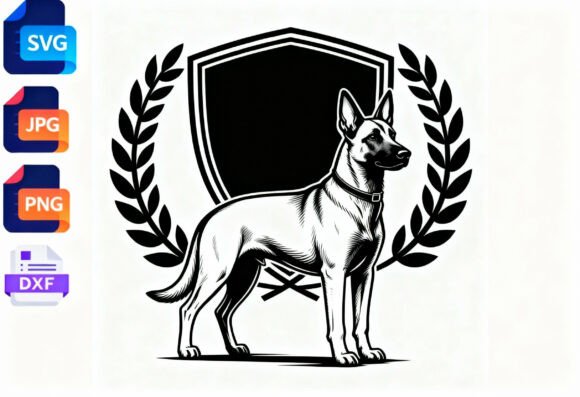
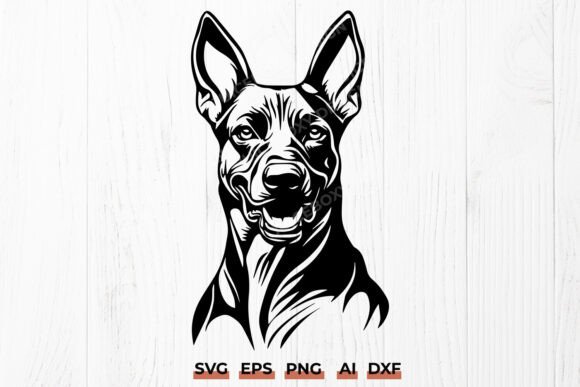
The design captures the Belgian Malinois in a working stance—alert, ears perked, eyes locked forward. The overall shape is compact and balanced, with enough detail in the face to convey the breed’s intensity, but without unnecessary clutter that would cause trouble in small hoop sizes. The line art is clean, which is critical when converting SVG to embroidery file formats. I’d describe the mood as serious but not aggressive, making it appropriate for K9-themed crafts, police dog tributes, and breed-specific merchandise. The visual personality leans toward professional and proud, the kind of design that looks good on a sweatshirt, a tote bag design, or a handmade patch.
Real-Life Test: Embroidering a Custom Tote Bag
For this review, I decided to use the Belgian Malinois SVG Strong Working Dog to create a custom embroidered tote bag for a local police dog handler. I wanted to see how the design would stitch out on medium-weight cotton canvas. After digitizing the SVG into a machine embroidery design, I ran a test on scrap fabric. The satin stitch around the edges gave the dog’s head a crisp outline, and the fill stitch in the body provided good coverage. The stitch density was moderate—not too heavy, which meant the fabric didn’t pucker. I used a dark navy thread for the body and a lighter gray for the highlights, and the contrast was excellent. The final product looked sharp and professional. The handler loved it, and it immediately generated interest from other K9 units.
How the Design Performs Across Different Products
One of the reasons I reached for this design is its versatility. When you’re running a small shop, you need designs that work on multiple items without looking out of place. Here’s how the Belgian Malinois SVG Strong Working Dog holds up in real embroidery situations:
- Custom apparel: On a sweatshirt or t-shirt, the design maintains its presence. The bold lines read well from a distance, making it suitable for team uniforms or casual wear.
- Tote bags and aprons: The sturdy shape works well on structured fabrics. I’ve used it on canvas totes and denim aprons, and the stitching stays crisp even after repeated use.
- Embroidered patches: Because the design has a clear outline, it trims nicely for a patch. I’ve stitched it with a satin stitch border and cut it out by hand—it holds its shape.
- Hats and caps: This is where you need to be careful. The design is compact enough for the front of a cap, but the density of the fill stitch must be reduced to avoid distortion on the curved surface. I recommend testing on a practice cap first.
- Baby items and holiday gifts: Scaled down, the design works for baby onesies or small pillow covers, but only if you keep the stitch count reasonable. The original SVG is detailed enough to look good at 3 inches, but at 2 inches you might lose some nuance in the eyes.
Where to Use This Design Carefully
No design is perfect for every product. The Belgian Malinois SVG Strong Working Dog has some limitations that every embroidery designer should keep in mind:
- Small hoop sizes: If you’re trying to fit this into a 4x4 hoop, you’ll need to scale it down. The face details can become muddled if the stitch count isn’t adjusted. I recommend using a larger hoop (5x7 or bigger) for the best clarity.
- Textured fabrics: On fleece or terry cloth, the fill stitch can sink into the fabric. Use a cutaway stabilizer to keep the design defined.
- Stretchy fabric: On T-shirts or performance wear, choose a lightweight stabilizer and reduce the stitch density. The design’s solid areas can cause puckering if the fabric isn’t hooped tightly.
- Dark fabrics: The design works well with light or bright thread colors. If you’re stitching on black, consider a white or silver underlay to make the colors pop.
- Frequently washed items: For kitchen towels or baby blankets, test the design’s durability. The satin stitch edges should hold up, but dense fill areas might shrink over time. Use a high-quality thread and proper stabilizer.
Visual Appeal and Product Value
In the world of handmade products and custom embroidery, visual appeal is everything. The Belgian Malinois SVG Strong Working Dog has a strong, recognizable silhouette that customers immediately connect with. Whether you’re selling to police dog handlers, military personnel, or breed enthusiasts, this design communicates professionalism and pride. On a finished product, it adds perceived value—a well-stitched patch or tote bag with this design can command a higher price point because it looks like a premium item. For Etsy sellers and small shop owners, that translates to better customer trust and engagement. I’ve found that designs with a clear theme and strong lines sell better than generic dog art, and this one fits the category perfectly.
Practical Designer Notes for a Smooth Embroidery Project
Before you jump into production, here are some notes I’ve gathered from working with this SVG as a machine embroidery design:
- Test on scrap fabric first. Always. The vector art may look perfect on screen, but the stitch-out can surprise you. I test with the same fabric and stabilizer I plan to use for the final product.
- Check thread color contrast. The design has a single-color solid look, but you can split it into separate stitch files for different colors. I recommend using a dark outline and a lighter fill to give the dog depth.
- Review stitch density. If you’re digitizing the SVG yourself, pay attention to the fill stitch density. Too dense and the fabric will pucker; too loose and the design looks patchy. Aim for a density that covers the fabric without puckering.
- Confirm hoop size. The design is scalable, but at larger sizes the details become more pronounced. Measure your hoop and adjust the design size accordingly. A 4x4 hoop works for a small patch, but a 5x7 hoop gives you more room for a sweatshirt design.
- Inspect small details. The eyes and ears are the most important features. Make sure the digitizing captures the expression. If the eyes are too small, they may disappear in the stitching.
- Test in black and white mockups. Before committing to thread colors, print the design in grayscale to see how the contrast works. This helps you decide whether to use a dark or light background.
- Compare light and dark fabric backgrounds. The design looks different on white vs. navy. I always stitch a sample on both to see which one sells better.
- Use proper stabilizer. For most projects, a medium-weight cutaway stabilizer works. For hats or caps, use a stiff tearaway or a cap-specific stabilizer.
- Confirm licensing before selling. The SVG is designed for seamless use with Cricut, but if you’re digitizing it for commercial embroidery, check the license terms. Some SVG files for Crafts or Graphics allow commercial use, but you should verify that you can sell finished products or digital embroidery files.
- Keep a record of your settings. Once you find a combination of thread, stabilizer, and density that works, document it. That way you can repeat the success for future orders.
Final Thoughts on Using This Design in Your Craft Business
The Belgian Malinois SVG Strong Working Dog is a solid addition to any designer’s library of design assets. Whether you’re creating a one-of-a-kind personalized gift, stocking your Etsy shop, or producing items for a craft fair, this design offers the kind of bold, recognizable imagery that sells. It’s not a fussy, overcomplicated piece of art—it’s a working dog design that works for real projects. Just remember to treat it like any other digital embroidery file: test thoroughly, adjust for your fabric and hoop size, and always respect the licensing. If you do that, you’ll have a product that meets your customers’ expectations and keeps them coming back. I’ve already added it to my rotation for custom apparel and embroidered patches, and I expect it to be a steady seller throughout the year.